Source glass lens cpl filter with clip for mobile, travel, and outdoor photography
Compare 30 listings for a glass lens cpl filter with clip designed for mobile phone photography. Buyers can review specifications including 37mm to 67mm sizes, aluminum alloy frames, and 18-layer nano coatings from suppliers in Guangdong, China.
Key considerations
Products List
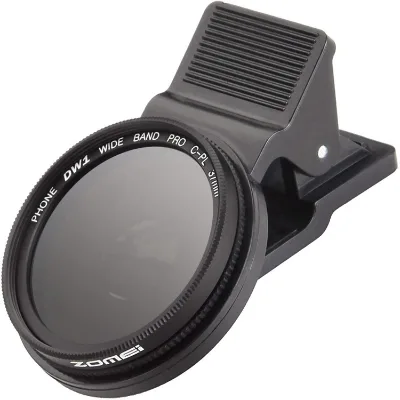
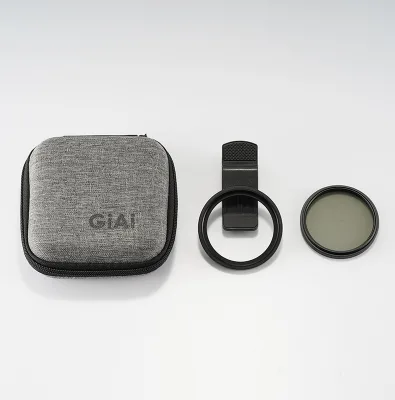
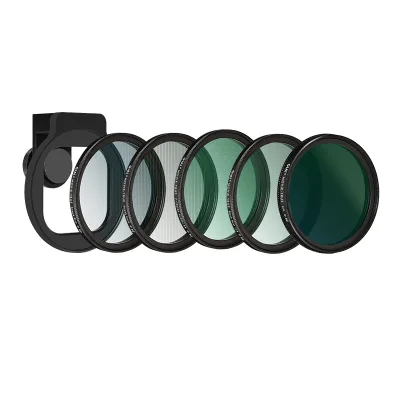


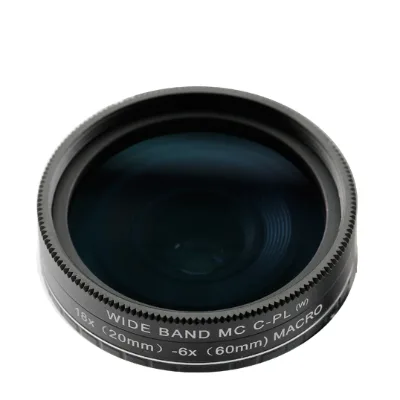
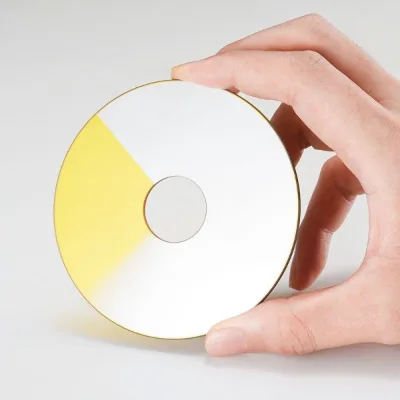
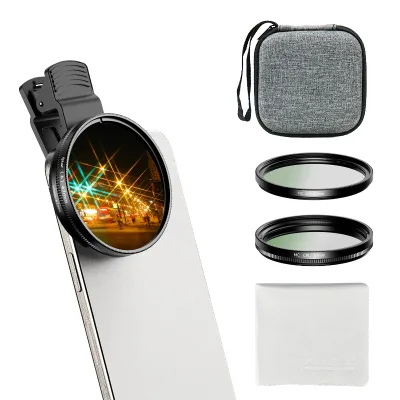


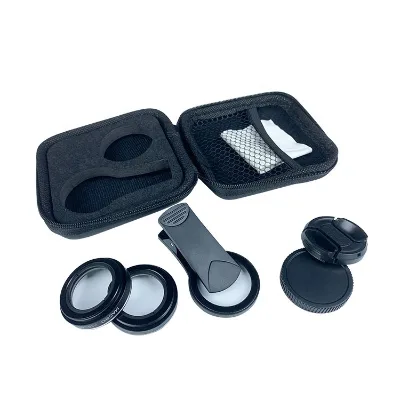
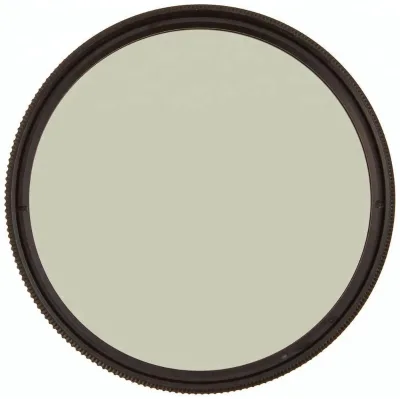
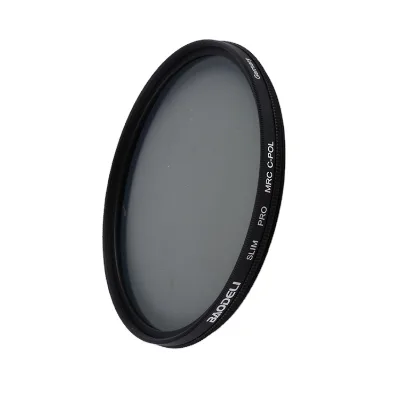
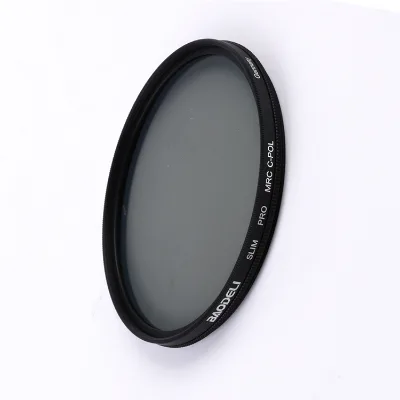


Comprehensive Sourcing Guide
Strategic Sourcing Guide for Glass Lens CPL Filters with Clip
Understanding the Product Category and Technical Architecture
The core keyword "glass lens CPL filter with clip" refers to a specialized optical accessory designed to attach directly to mobile device cameras. Unlike traditional screw-in filters used on interchangeable lens cameras, this category integrates a circular polarizing (CPL) element with a mechanical clipping mechanism. The primary function of a CPL filter is to reduce glare and reflections from non-metallic surfaces such as water, glass, and foliage, while simultaneously enhancing color saturation and contrast in outdoor photography. The "glass" designation indicates that the optical element is constructed from glass optics rather than plastic, which generally offers superior scratch resistance, optical clarity, and thermal stability.
The "clip" component serves as the mounting interface, allowing the filter to be secured to the smartphone without the need for a dedicated camera case or screw adapter. This design prioritizes portability and ease of use for mobile photographers. The technical architecture typically involves a frame made from aluminum or aluminum alloy to ensure rigidity and a lightweight profile. The clip mechanism itself often utilizes a combination of rubber and plastic materials to provide a secure grip on the device while preventing damage to the phone's casing. The optical assembly relies on the principle of selective absorption, where the filter polarizes light waves to block specific orientations of scattered light.
When evaluating the product, buyers must distinguish between the filter size and the clip mechanism. Specifications often list filter diameters such as 37mm, 52mm, or 58mm, which must align with the camera module dimensions of the target smartphone. The frame thickness is another critical dimension, with observed ranges typically falling between 2mm and 5mm. A thinner frame may offer a wider field of view but could be more susceptible to mechanical stress, whereas a thicker frame provides durability at the cost of potential vignetting. The coating technology is equally vital; high-end units in this category feature multi-layer nano coatings, such as 18-layer treatments, to minimize ghosting, flare, and light loss, ensuring that the polarization effect does not compromise image brightness.
Compliance, Certification, and Material Verification
In the B2B procurement of optical accessories, verifying compliance and material authenticity is paramount to ensure product safety and performance consistency. The supply chain for these devices often originates from manufacturing hubs in Guangdong, China, where a concentration of optical component manufacturers exists. Buyers must scrutinize the material composition claims, specifically looking for the use of "Glass Optics + Aluminum Alloy + ABS" as a standard high-quality configuration. The frame material is frequently cited as aluminum or aluminum alloy, which provides the necessary structural integrity for the clip mechanism. The clip material itself is often a composite of rubber and plastic, designed to offer friction and protection.
Certification plays a significant role in validating the supplier's adherence to international safety and environmental standards. While specific certification statuses vary by batch and manufacturer, buyers should request documentation for CE and RoHS compliance. CE marking indicates conformity with health, safety, and environmental protection standards for products sold within the European Economic Area, while RoHS (Restriction of Hazardous Substances) ensures that the product does not contain specific hazardous materials like lead or mercury. These certifications are not merely administrative; they reflect the manufacturer's commitment to quality control and regulatory adherence.
Buyers must also verify the "customized packaging" capabilities and the "private mold" status of the supplier. Some listings indicate that private molds are not available, meaning the product is a standard off-the-shelf item. Conversely, others may offer customization options for branding or packaging, with Minimum Order Quantities (MOQ) potentially starting at 1,000 units for custom runs. The absence of a private mold does not preclude quality; however, it limits the ability to create unique form factors. When assessing material claims, buyers should be aware that while "Glass" is a standard specification, the specific grade of glass and the precision of the optical grinding are not always detailed in public listings. Therefore, requesting sample units for independent testing is a critical step before committing to a large order.
Cost Drivers and Pricing Dynamics
The pricing structure for glass lens CPL filters with clips is influenced by a complex interplay of material costs, manufacturing complexity, and order volume. The observed price range in the market spans from approximately $0.10 to $56.16 USD, a wide variance that reflects differences in quality, brand positioning, and feature sets. The lower end of the spectrum typically corresponds to basic models with standard glass optics and simple aluminum frames, often sold in single-item units. The higher end of the price range usually encompasses premium configurations featuring advanced multi-layer nano coatings, precision-machined aluminum alloy frames, and specialized clip designs that accommodate a wider range of smartphone models.
Material costs are a primary driver of the price differential. The use of high-purity glass optics and aerospace-grade aluminum alloys incurs higher raw material expenses compared to plastic or lower-grade metals. Additionally, the complexity of the coating process significantly impacts cost. An 18-layer nano coating requires sophisticated vacuum deposition equipment and strict environmental controls, which adds to the production overhead. The mechanical design of the clip also contributes to the price; a robust clip that can securely hold a heavy smartphone without slipping or damaging the device requires precise engineering and high-quality rubber components.
Order volume is another critical factor. While some suppliers offer an MOQ as low as 1 piece for sampling or small-batch testing, bulk procurement often yields significant cost reductions. The "Selling Units" are typically listed as single items, but B2B buyers should negotiate based on tiered pricing structures. For custom packaging or branding, the MOQ may jump to 1,000 units, which can alter the unit economics. Buyers should also consider the "Single Gross Weight" and "Single Package Size" when calculating logistics costs. A product with a package size of 23x23x17 cm and a weight of 0.4 kg will incur higher shipping fees than a compact 12x12x4 cm unit weighing 0.08 kg, potentially offsetting savings achieved through lower unit prices.
Typical Applications and Market Segmentation
The primary application for glass lens CPL filters with clips is mobile phone photography, specifically targeting users who seek professional-grade results from their handheld devices. The "Application" field consistently highlights "Mobile Phone Photography" and "Medical" usage, though the latter is less common for consumer-grade clips. In the context of photography, these filters are essential for outdoor shoots where controlling light is crucial. They are particularly effective in reducing reflections from water surfaces, which allows photographers to see beneath the surface or capture clearer reflections of the sky. They also enhance the blue of the sky and the green of foliage, making them indispensable for landscape and nature photography.
The compatibility of these filters is a key determinant of their market reach. Listings often specify compatibility with major brands such as Samsung, iPhone, and Android phones, claiming a compatibility rate of up to 98% of smartphones. This broad compatibility is achieved through adjustable clip mechanisms that can accommodate various phone thicknesses and camera module placements. The "Focus Type" is generally noted as "Normal Lens" or "Manual Focus" (MF), indicating that the filter is designed to work with the existing autofocus systems of smartphones without requiring manual intervention, although the optical properties of the filter itself do not alter the focus mechanism.
Beyond general photography, the "Usage" category mentions "Medical" applications, which may refer to specialized imaging tasks where glare reduction is necessary for documentation or diagnostic purposes. However, for the general B2B market, the focus remains on the consumer and prosumer photography sectors. The "Bundle" options, such as 58mm or 67mm sets, suggest that suppliers often market these products as part of a larger ecosystem of mobile photography accessories. This bundling strategy allows buyers to source a complete solution for clients who need a variety of filter sizes to cover different smartphone models. The "Feature" of being "Flexible" and "Waterproof" further expands the application scope, making these filters suitable for use in diverse environmental conditions, from rainy outdoor shoots to humid coastal locations.
Supplier Evaluation and Quality Control Protocols
Evaluating suppliers for glass lens CPL filters requires a rigorous approach that goes beyond surface-level product descriptions. Buyers should prioritize suppliers who provide transparent data on their manufacturing processes, material sourcing, and quality assurance protocols. The "Place of Origin" is frequently listed as Guangdong, China, a region known for its extensive electronics and optical manufacturing capabilities. However, the presence of a specific origin does not guarantee uniform quality; buyers must verify the specific factory's capabilities and reputation.
Quality control should focus on the integrity of the optical element and the durability of the clip mechanism. Buyers should request samples to test the "18-layer nano coating" for resistance to scratching and smudging, as well as the "Aluminum Alloy" frame for structural strength. The "Clamp material," described as rubber and plastic, should be tested for elasticity and grip strength to ensure it does not slip or damage the phone. Additionally, the "Frame Thickness" should be measured to ensure it falls within the specified range of 2mm to 5mm, as deviations can affect the optical performance and fit.
Certification verification is a non-negotiable step in supplier evaluation. Buyers should request valid CE and RoHS certificates and verify their authenticity with the issuing bodies. The "Customization" capabilities should also be assessed; suppliers offering "Customized" packaging or branding options demonstrate flexibility and a willingness to partner with buyers on specific requirements. However, buyers must be cautious of "Private Mold" claims; if a supplier states that private molds are not available, it indicates a limitation in product customization. In such cases, buyers should focus on suppliers who can offer high-quality standard products with reliable performance.
Long-Term Procurement Considerations and Risk Management
Sourcing glass lens CPL filters with clips involves long-term considerations that extend beyond the initial transaction. Buyers must evaluate the scalability of the supply chain, the stability of the product specifications, and the potential for future customization. The "Model Number" and "Product Name" should be consistent across orders to ensure inventory management and brand consistency. For example, a model number like "57-TBD092648501A" or "GA-CCPL-3-Hole fixture" should be clearly documented to avoid confusion in future reorders.
Risk management is crucial in this category due to the potential for product variations and market fluctuations. Buyers should establish clear communication channels with suppliers to address any changes in material sourcing or manufacturing processes. The "MOQ" of 1 piece allows for low-risk sampling, but larger orders should be backed by detailed contracts that specify quality standards, delivery timelines, and penalty clauses for non-compliance. The "Lead Time" and "Single Gross Weight" should be factored into the logistics planning to ensure timely delivery and cost-effective shipping.
Furthermore, buyers should consider the lifecycle of the product and the potential for obsolescence. As smartphone camera modules evolve, the compatibility of these filters may change. Suppliers who offer a range of filter sizes and adjustable clip mechanisms are better positioned to adapt to these changes. The "Angle of Incidence" of 0° is a standard specification that ensures the filter works correctly with the camera lens, but buyers should verify that this remains consistent across different batches. Finally, the "Principle" of selective absorption filter technology should be maintained to ensure that the core functionality of the product remains effective. By focusing on these long-term factors, buyers can build a resilient supply chain that delivers consistent value over time.
FAQs
What material is used for the glass lens CPL filter frame?
The frame is constructed from aluminum or aluminum alloy to ensure rigidity and a lightweight profile. This material choice provides the necessary structural integrity for the clip mechanism while maintaining durability against mechanical stress during mobile photography.
Can the filter be customized for specific packaging requirements?
Customized packaging is available for buyers seeking branding or specific presentation needs. However, suppliers may require a minimum order quantity of 1000 units for such custom runs, and private mold availability varies by manufacturer.
Which certifications should buyers verify for product safety compliance?
Buyers should verify CE and RoHS certifications to ensure adherence to international safety and environmental standards. These certifications confirm the product does not contain hazardous substances and meets health and safety requirements for the European Economic Area.
How does the 18-layer nano coating improve filter performance?
The 18-layer nano coating minimizes ghosting, flare, and light loss to ensure image brightness is not compromised. This advanced treatment enhances optical clarity and scratch resistance, distinguishing high-end units from basic models with standard coatings.
What is the typical weight and package size for a single unit?
Single units typically weigh between 0.08 kg and 0.4 kg depending on the specific configuration. Package sizes vary from compact 12x12x4 cm units to larger 23x23x17 cm boxes, which impacts logistics costs and shipping calculations.
Which smartphone brands are compatible with this filter clip?
The filter is compatible with major brands including Samsung, iPhone, and Android phones, covering up to 98% of smartphones. The adjustable clip mechanism accommodates various phone thicknesses and camera module placements for secure attachment.
What is the minimum order quantity for purchasing these filters?
The minimum order quantity can be as low as 1 piece for sampling or small-batch testing. For custom packaging or branding, the MOQ may increase to 1000 units, significantly altering the unit economics for bulk procurement.